Questions? Call Us: (408) 842-6667
2339 Technology Parkway Unit F, Hollister CA 95023


As the temperature drops and you prepare to tuck your classic away for the season, the fuel system should be at the top of your checklist. At Pierce Manifolds, we know that improper storage is the leading cause of "springtime blues"—those frustrating moments when an engine won't start due to gummed-up carburetor components. Whether you are running a fuel-sipping Econ carburetor or a high-performance Weber carburetor, taking proactive steps now will save you a headache later. Shop today.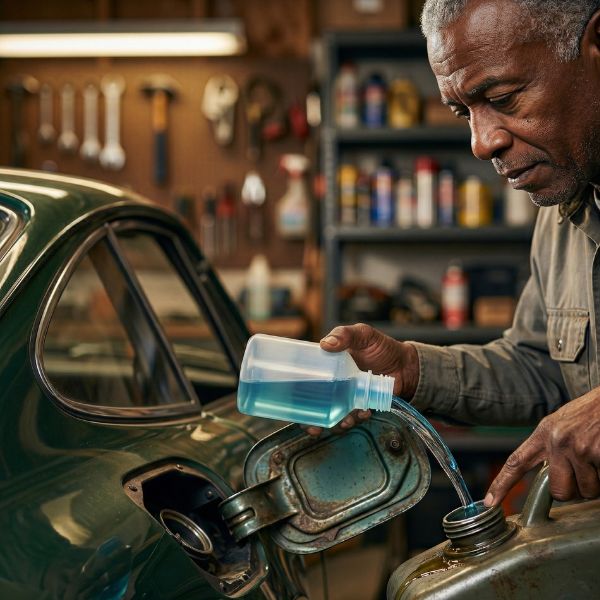
Modern ethanol-blended fuels are the natural enemy of vintage carburetor parts. Ethanol attracts moisture, which leads to internal corrosion and "white powder" buildup. You have two choices: fill the tank and add a high-quality stabilizer to prevent oxidation, or drain the system entirely. If you choose to keep the fuel in, ensure you run the engine long enough for the treated fuel to reach the float bowls.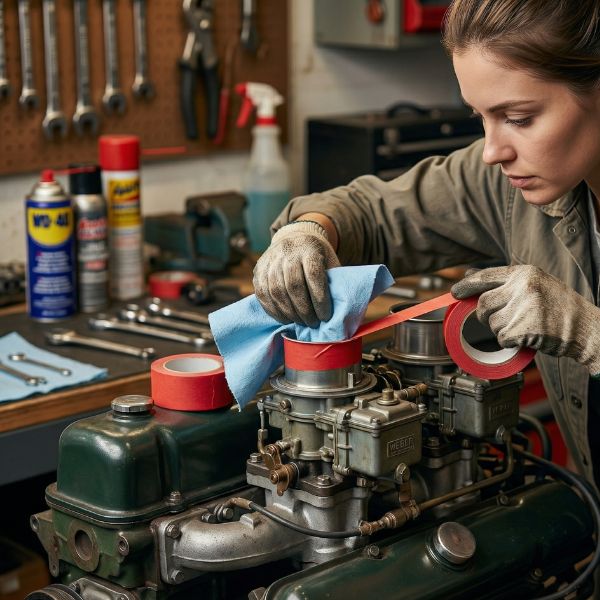
Cold, damp air can cause internal condensation. Before closing the hood, inspect your Weber carburetor parts for any signs of existing leaks. Once the engine is cool, seal the air intakes with a clean, lint-free cloth or plastic to prevent moisture and nesting critters from entering the venturis. This protects the delicate internal circuits of your Weber carburetor conversion kit from the elements.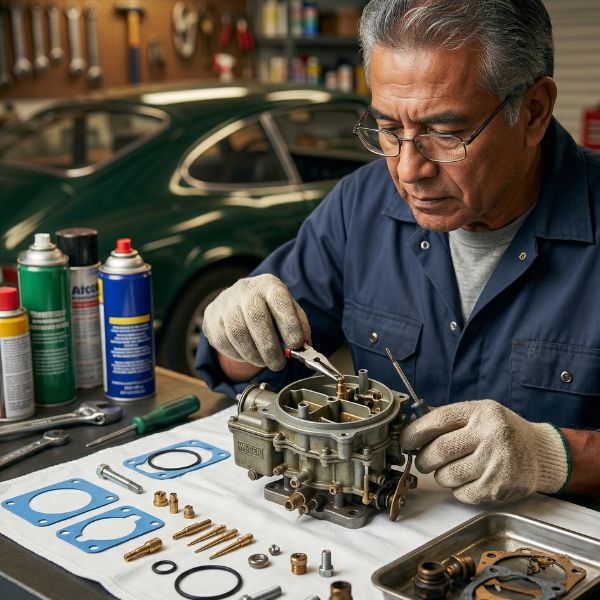
If your carb was already acting up during the summer, winter is the perfect time for a carburetor rebuild. Instead of waiting for the first sunny day, use the off-season to tear down the unit. Using high-quality carburetor rebuild kits ensures that all gaskets, O-rings, and needle valves are fresh and ready for the new season.
GET STARTED TODAY
Taking the time to winterize ensures that your carburetor rebuild efforts aren't wasted and your investment stays protected. With a little preparation, you’ll be ready to turn the key and hit the road the moment the snow melts. Shop today.