Questions? Call Us: (408) 842-6667
2339 Technology Parkway Unit F, Hollister CA 95023

Hours | Mon - Thurs
Open 7am-5pm, Closed 12-1pm

If you’re a classic car enthusiast or a performance tuner, you know that the heart of your engine’s drivability lies within the carburetor. When it’s tuned perfectly, your engine purrs; when it’s off, you’re left with stalling, hesitating, or poor fuel economy. At Pierce Manifolds, we specialize in keeping your vintage ride on the road. Understanding how to spot common issues and knowing which carburetor parts to keep on hand can save you hours of frustration. Here is how you can diagnose and fix common carburetor problems. Shop today.
If you find yourself cranking the engine excessively or if it dies the moment you let off the gas, you likely have a clog in the idle circuit. Over time, old fuel turns into varnish, blocking the tiny passages in your carburetor components. To fix this, you may need to disassemble the unit and use specialized cleaners. If the buildup is significant, utilizing one of our carburetor rebuild kits is the best way to ensure every seal and gasket is replaced for a leak-free idle.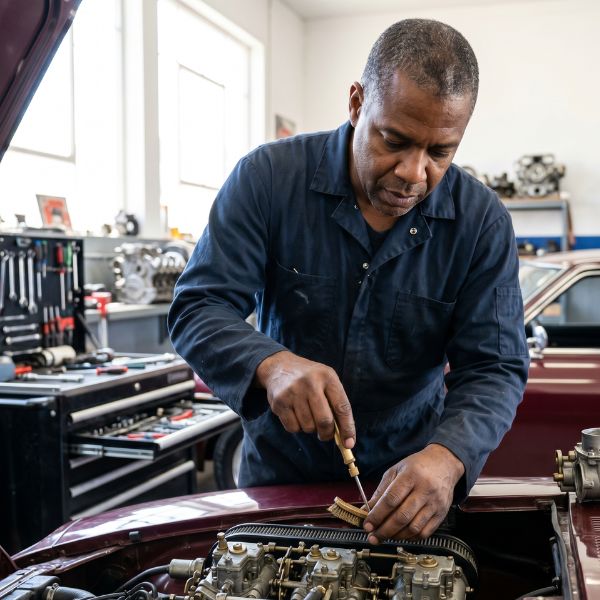
Do you feel a "flat spot" or stumble when you step on the gas? This is often a sign of a failing accelerator pump. This component provides a quick squirt of fuel to bridge the gap between the idle and high-speed circuits. For those running Weber carburetors, this is a common maintenance item. Inspecting your Weber parts for a cracked pump diaphragm can solve this instantly.
If you smell raw gas or see fuel dripping from the throttle shafts, your needle and seat are likely stuck open or the float is heavy. This allows too much fuel into the bowl, "flooding" the engine. You should inspect your carburetor spare parts inventory for a new needle and seat assembly. Ensuring your float level is set to factory specifications is critical for preventing an engine fire and maintaining performance.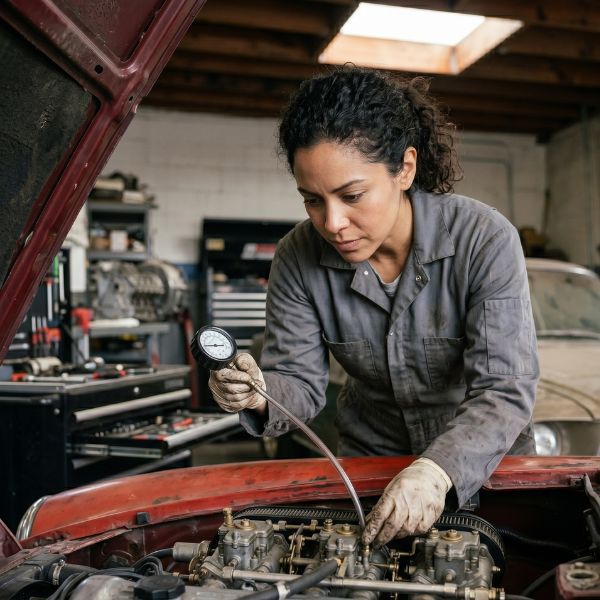
A lean condition—too much air and not enough fuel—often manifests as popping through the intake or an engine that runs dangerously hot. This is frequently caused by vacuum leaks around the base gasket or worn throttle bushings. Check your carburetor components for air leaks by spraying a little carb cleaner around the base; if the RPM changes, you’ve found your leak.
Conversely, if your exhaust is puffing black smoke and your spark plugs are covered in soot, you are running "rich." This could be due to a clogged air filter or jets that are too large. For enthusiasts using Weber carburetors, re-jetting is a simple process. Swapping out internal carburetor parts for the correct jet sizes will restore your power and fuel efficiency.
Maintaining a carburetor doesn't have to be a mystery. By paying attention to how your engine sounds and feels, you can pinpoint exactly which Weber parts or gaskets need attention. Whether you need a full overhaul with our carburetor rebuild kits or just a few carburetor spare parts to get back on the road, Pierce Manifolds has the expertise and inventory to help you do the job right. Keep your tools ready and your fuel clean. Browse online today.